
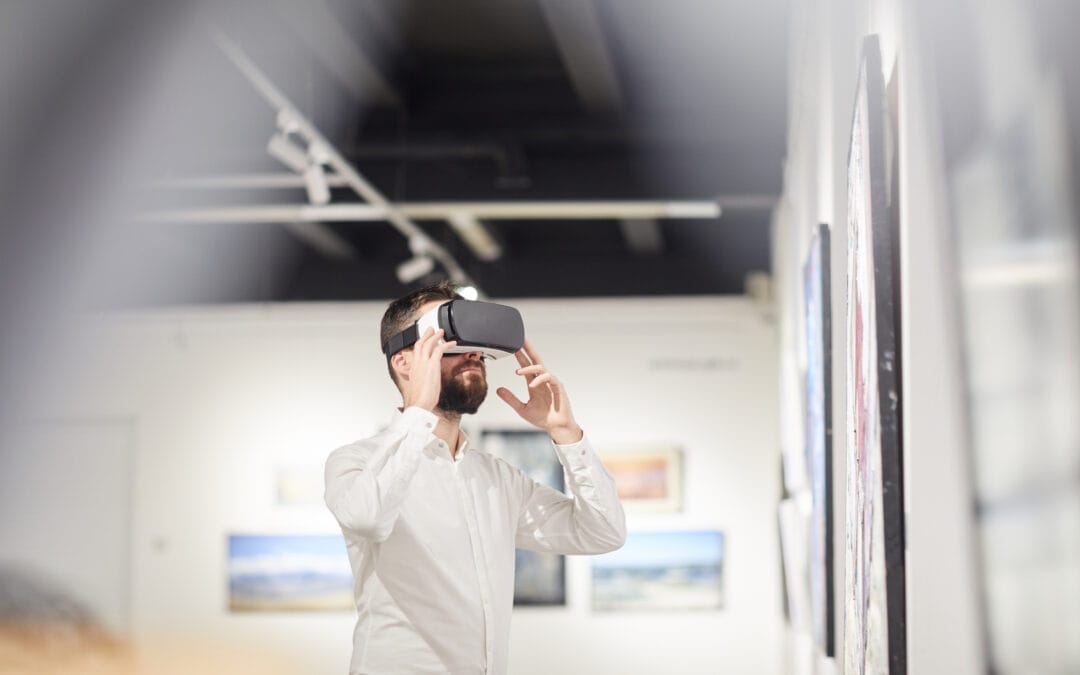
In an era where digital presence is synonymous with business viability, companies across industries are constantly searching for innovative ways to capture consumer attention. Traditional marketing methods—like flat 2D photography and standard promotional videos—are no longer enough to satisfy the modern consumer’s appetite for interactivity and transparency. Enter virtual tour technology. Once considered a futuristic novelty or a niche tool reserved exclusively for high-end real estate, immersive digital experiences have rapidly transformed into an essential corporate investment.
At the heart of this digital revolution is the integration of advanced 3d virtual tour rendering. This cutting-edge process transforms architectural blueprints, physical layouts, or raw concepts into hyper-realistic, fully navigable digital environments. By leveraging these high-fidelity renderings, businesses can offer stakeholders and customers a comprehensive, self-paced exploration of their spaces from anywhere in the world.
Here is a closer look at why businesses are aggressively investing in virtual tour technology and why it has become a cornerstone of modern digital strategy.
Unmatched Customer Engagement and Retention
The digital landscape is a battleground for attention span. Standard websites often struggle to keep users engaged for more than a few seconds. Virtual tours change the game by shifting the user from a passive viewer to an active participant. When a website features a high-quality 3d virtual tour rendering, users can look up, down, turn corners, and zoom in on specific details. This interactive autonomy dramatically increases the time spent on a website—often by as much as 5 to 10 times compared to static pages. The longer a potential customer engages with a brand’s space, the more familiar and connected they feel, which directly translates to higher conversion rates.
Building Trust Through Immersive Transparency
For businesses in industries like hospitality, retail, real estate, and event planning, seeing is believing. Customers want to know exactly what they are paying for before making a commitment. A 3D virtual tour eliminates ambiguity by providing an honest, detailed, and 360-degree representation of a venue, property, or showroom. Unlike a curated gallery of photos that can easily hide imperfections or manipulate scale, a rendered virtual tour offers complete transparency. This builds a profound level of consumer trust, reducing buyer hesitation and significantly lowering the friction required to close a sale.
Streamlining the B2B Sales Cycle
Virtual tour technology is not just a B2C marketing asset; it is a powerful B2B sales acceleration tool. For instance, commercial real estate developers, construction firms, and corporate event venues often need to pitch spaces that are either located thousands of miles away or have not even been built yet. Through precise 3d virtual tour rendering, EnDesign allows businesses to showcase future developments with impeccable accuracy. Corporate clients can tour a manufacturing facility, inspect a leased office space, or plan a large-scale conference layout virtually. This eliminates the logistical headaches, travel expenses, and time delays associated with physical site visits, drastically shortening the sales cycle.
A Competitive Edge That Scales
As virtual reality (VR) headsets and high-speed internet become ubiquitous, consumer expectations will continue to rise. Investing in virtual tours today ensures that a business remains ahead of the curve tomorrow. It positions a brand as an innovative, forward-thinking industry leader that prioritizes user experience. Furthermore, these digital assets are highly scalable—they can be seamlessly embedded into websites, integrated into social media campaigns, and shared via simple web links in email marketing.
The Bottom Line
Ultimately, the rush to adopt virtual tour technology comes down to a clear return on investment. By bridging the gap between the physical and digital worlds, businesses can boost engagement, build ironclad consumer trust, and optimize their sales workflows. Whether you are showcasing a luxury resort, a new residential development, or an experiential retail space, partnering with experts like EnDesign for professional 3d virtual tour rendering is no longer just an optional tech upgrade—it is a vital business strategy for the digital age.