
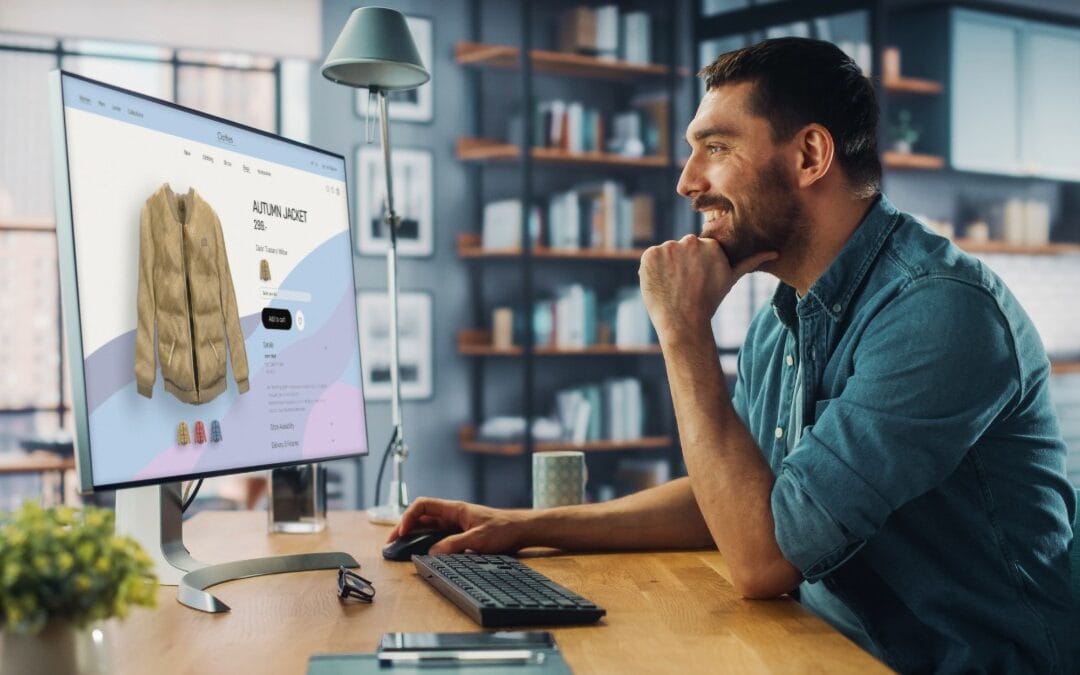
Online shopping has transformed the retail landscape, but one challenge persists: customers can’t physically touch or examine products before purchasing. This gap between digital browsing and in-store experiences has led innovative e-commerce brands to embrace 3D rendering technology. By creating photorealistic digital representations of products, businesses can bridge this divide and deliver compelling shopping experiences that drive conversions and customer satisfaction.
What is 3D Rendering?
3D rendering is the process of using specialized software to transform digital models into photorealistic images. Unlike traditional product photography, which requires physical samples, studio setups, and extensive retouching, 3D rendering builds lifelike visuals entirely through computer graphics. This technology has applications beyond eCommerce—architectural rendering helps developers visualize buildings before construction, while product rendering enables manufacturers to showcase items before they’re even produced.
Enhanced Product Visualization
One of the most compelling benefits of 3D rendering for eCommerce is the ability to showcase products from every conceivable angle. Customers can rotate, zoom, and examine products in ways that static photography simply cannot match. This addresses a fundamental limitation of online shopping—customers often struggle to understand the true dimensions and details of products like furniture or electronics through a screen.
Interactive 3D product rendering creates an immersive experience that closely mimics the tactile nature of in-store shopping. Customers can view a dining table from all sides, examine the stitching on a leather bag up close, or explore the intricate details of electronic components. This comprehensive visualization reduces uncertainty and helps shoppers make more confident purchasing decisions.
Cost-Effective and Time-Efficient
Traditional product photography involves significant overhead: photographer fees, studio rentals, prototype production, and transportation costs can quickly accumulate. 3D rendering streamlines this process through its digital nature, enabling swift creation and modification of scenes and products and the simultaneous production of multiple models.
For businesses with extensive product catalogues or customizable offerings, the cost savings become even more pronounced. A single 3D model can be rendered in dozens of colours, materials, and configurations without requiring separate photoshoots for each variation. This efficiency extends to marketing timelines as well—brands can create product visuals while items are still in manufacturing, enabling faster go-to-market strategies.
Unlimited Customization and Flexibility
The digital nature of 3D rendering provides unparalleled flexibility for product presentation. Need to show a sofa in five different fabric options? Simply adjust the texture mapping. Want to display a product in various lifestyle settings? Change the background environment digitally. Brands can easily update product visuals in response to market demands without new photo shoots, which is crucial in today’s fast-paced market, where trends and consumer preferences constantly change.
This adaptability extends to seasonal campaigns, A/B testing different visual approaches, and creating region-specific marketing materials. The same 3D model can be repurposed across multiple channels—from eCommerce product pages to social media advertisements to print catalogues—maintaining visual consistency while allowing for channel-specific optimizations.
Reduced Return Rates and Increased Conversions
Perhaps the most impactful benefit of 3D rendering is its effect on the bottom line. When customers can thoroughly examine products through interactive 3D visualization, they develop more accurate expectations about what they’re purchasing. By providing customers with more accurate and detailed product representations, including size, colour, and material information, customers are less likely to experience discrepancies between expectations and the actual product received.
Major retailers have documented impressive results. Studies show that incorporating 3D product visualization can increase conversion rates by up to 30%, while some brands have reported reductions in return rates by providing more comprehensive visual information. When customers feel confident in their purchase decisions, everyone benefits—brands save on return processing costs while customers enjoy more satisfying shopping experiences.
Showcasing Products Before They Exist
One unique advantage of 3D rendering is the ability to market products before physical prototypes exist. Entrepreneurs can acquire high-quality visuals and promotional videos even while their product is in transit or manufacturing, enabling them to launch websites and advertising campaigns while gathering funds through crowdfunding.
This capability is particularly valuable for startups and product launches, where timing is critical. Design teams can iterate on product concepts digitally, stakeholders can review realistic visualizations without waiting for prototypes, and marketing campaigns can begin generating buzz before the first unit rolls off the production line.
The Future of Online Shopping
As e-commerce continues evolving, 3D rendering technology is becoming not just an advantage but an expectation. Modern consumers, accustomed to interactive digital experiences, increasingly demand more engaging ways to explore products online. Whether through 360-degree product views, augmented reality try-ons, or fully interactive configurators, 3D rendering is reshaping how we shop online.
For businesses looking to stay competitive in the digital marketplace, investing in Endesign’s 3D rendering technology offers multiple benefits: reduced operational costs, increased conversion rates, lower return rates, and the ability to create compelling visual experiences that resonate with today’s digitally-savvy consumers. As the technology becomes more accessible and sophisticated, the question is no longer whether to adopt 3D rendering, but how quickly businesses can integrate it into their e-commerce strategy.