
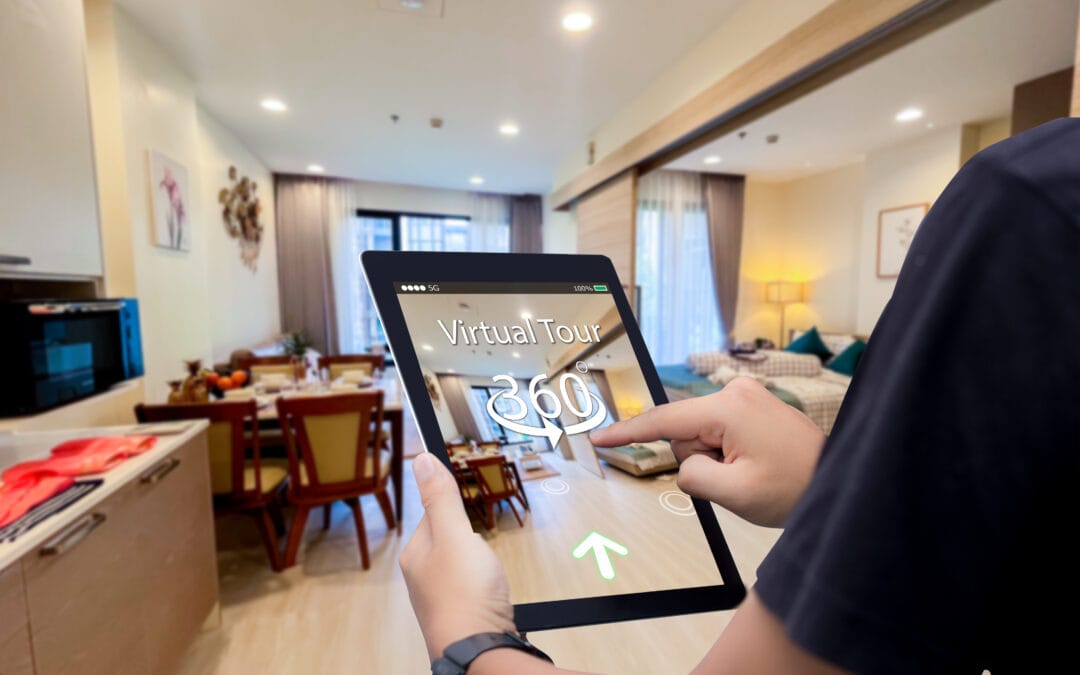
In the modern real estate market, digital presence is no longer just a “nice-to-have”—it is the foundation of the buying process. As today’s homebuyers become increasingly tech-savvy, they are looking for more than just high-quality photos on a listing. They want an immersive experience that allows them to explore a property from the comfort of their own homes.
For developers and real estate professionals, meeting these expectations is essential to capturing interest and closing deals faster. But what exactly are buyers looking for when they click on a listing? Here is a breakdown of the top features that turn a passive browser into an active buyer.
Comprehensive, 360-Degree Views
The most fundamental expectation buyers have is a complete picture of the property. A fragmented gallery of still images rarely does a space justice. Buyers want to see the flow of the home, the relationship between rooms, and the exterior landscape. By utilizing 3d virtual tours, you can offer a comprehensive walkthrough that covers every corner of the property. This level of transparency builds immediate trust, as buyers feel they are seeing the “real” version of the home rather than a curated selection of angles.
Freedom of Navigation
One of the biggest advantages of a digital walkthrough is the potential buyer’s ability to control their own experience. Nobody wants to be forced into a pre-recorded, linear video where they can’t pause to look at a specific feature or backtrack to a previous room. Interactive virtual tours that allow users to choose their own route through the home are significantly more engaging. When buyers can move at their own pace, exploring the kitchen for as long as they like before heading to the master suite, they form a deeper emotional connection to the property.
Life-Like Detail and Realism
Visual fidelity is paramount. A blurry or pixelated tour can actually hurt your listing by making the property look dated or low-quality. Buyers are looking for high-definition, life-like experiences that help them envision their future. This is where virtual staging becomes a game-changer.
Empty rooms can often feel cold or confusing in terms of scale. By professionally staging a home virtually, you can demonstrate a space’s potential, showing how a living area can accommodate furniture or how a den could transform into a home office. This added layer of realism helps buyers overcome the “imagination gap” and see the property as a home rather than just a structure.
Cross-Device Accessibility
Today’s home search happens everywhere—on morning commutes, during lunch breaks, and late at night on the couch. Buyers expect your tour to be seamless across smartphones, tablets, and desktop computers. A tour that loads slowly or requires specific software plugins to function will instantly lose a lead. Ensuring your virtual experience is optimized for all devices is not just a technical preference; it is a vital part of your marketing strategy.
The Bottom Line
Ultimately, a virtual tour should do more than just show a property; it should tell a story. When you combine the interactivity of 3D virtual tours with the warmth of virtual staging, you create a compelling narrative that invites buyers to imagine themselves living in the space.
At EnDesign, we understand that technology is the bridge between a listing and a sale. By prioritizing these buyer expectations, you aren’t just presenting a house—you are offering an experience that stands out in a crowded market.