
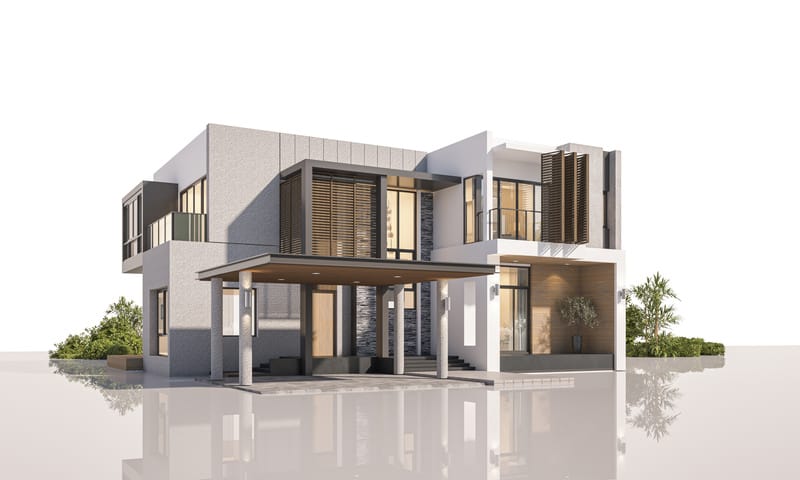
In real estate marketing, visual impact directly correlates with sales velocity. When preparing a commercial development, luxury residential build, or multi-unit project for the market, deciding how to present the space is a critical strategic choice. Should you rely on traditional photography, or invest in professional 3D rendering?
While traditional photography has long been the industry standard for existing spaces, 3D architectural rendering offers unprecedented control, flexibility, and pre-construction marketing capability.
Comparing the Two Technologies
Understanding when to choose 3D rendering versus traditional photography depends on your project timeline, marketing goals, and visual requirements.
| Feature | Traditional Photography | 3D Architectural Rendering |
| Project Stage | Post-construction only | Pre-construction & any project phase |
| Environmental Control | Dependent on weather, lighting & season | Complete control over time, lighting & weather |
| Flexibility & Customization | Requires physical staging & reshoots | Unlimited digital staging, materials & finishes |
| Pre-Sales Capability | None (requires a completed site) | High (sell or lease before ground is broken) |
| Immersive Features | Static imagery or basic video | Interactive 3D VR, AR & virtual tours |
When to Use Traditional Photography
Traditional real estate photography remains an effective tool under specific conditions:
- Built Properties Ready for Instant Listing: When a property is fully constructed, professionally staged, and ready for immediate occupation, photography provides an efficient snapshot.
- Authenticity for Existing Work: Showcasing completed architectural portfolios or historic properties often demands authentic, present-day photography.
However, photography comes with inherent limitations: unpredictable weather delays, costly physical staging, and an absolute reliance on physical completion before marketing can begin.
Why 3D Architectural Rendering Wins for Real Estate Development
Professional 3D architectural rendering breaks past physical limits, giving developers, architects, and marketers complete creative authority over their visuals.
1. Sell Properties Before Construction Begins
The most significant advantage of 3D rendering is pre-selling. With photorealistic 3D architectural rendering, developers can showcase completed luxury units, commercial layouts, or master-planned communities long before ground is broken. This generates pre-sales capital, secures investor confidence, and accelerates marketing timelines.
2. Perfect Lighting, Weather, and Staging
With photography, an overcast sky or poor natural light can derail a shoot. 3D rendering eliminates environmental variables entirely. Showcase an exterior at golden hour, present interior spaces in midday sun, or highlight architectural lighting at twilight—all with photorealistic accuracy.
3. Unlimited Design & Material Customization
Testing different interior layouts, wood finishes, or stone facades physically is expensive and time-consuming. High-end 3D architectural rendering allows you to swap materials, furniture, and lighting setups seamlessly, enabling custom visual packages tailored to different buyer demographics.
Transform Your Property Marketing with EnDesign
At EnDesign, we bridge the gap between design vision and buyer connection. Based in Toronto and serving clients globally, EnDesign delivers photorealistic 3D rendering, dynamic animations, and interactive virtual reality experiences that bring architectural concepts to life.
Whether you need pre-construction marketing assets for a condominium launch or hyper-realistic interior visualizations for a luxury development, our team provides fast turnarounds, precision craftsmanship, and unmatched visual quality.